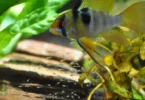
Creating a thriving community aquarium is one of the most rewarding aspects of fishkeeping. The key to success lies in selecting compatible species that share similar water requirements, temperaments, and space needs. A well-planned community tank showcases the diversity of freshwater life while providing a stable, harmonious environment for all inhabitants. Whether you’re a beginner setting up your first aquarium or an experienced hobbyist looking to diversify your collection, understanding the characteristics and requirements of popular community fish is essential for long-term success.
What Makes a Good Community Fish?
Before diving into specific species, it’s important to understand what qualifies a fish as “community-friendly.” The best community fish are peaceful, non-aggressive, and able to coexist with other species without territorial disputes or predatory behavior. They should also tolerate similar water parameters and occupy different levels of the tank to maximize space usage. A good community fish exhibits predictable behavior, doesn’t grow excessively large, and won’t view smaller tankmates as food. Additionally, the best community species are adaptable to a range of water conditions, making it easier to find compatible tankmates and maintain stable parameters.
Top Community Fish Species
Neon Tetras

Neon Tetras are arguably the most iconic community fish in the aquarium hobby, beloved by beginners and experts alike for their stunning iridescent coloration and peaceful demeanor. Native to the blackwater streams of South America, particularly in the Amazon basin, these tiny fish create mesmerizing displays when kept in proper schools. Their electric blue lateral stripe running from nose to adipose fin, combined with a vibrant red patch extending from mid-body to tail, creates a striking contrast that seems to glow under aquarium lighting.
Scientifically known as Paracheirodon innesi, Neon Tetras belong to the Characidae family and rarely exceed one inch in length, making them perfect for nano and standard community setups alike. In their natural habitat, they inhabit slow-moving tributaries with dense vegetation and tannin-stained water, which influences their preference for dimmer lighting and planted aquariums. These fish are shoaling species by nature, meaning they instinctively gather in groups for protection against predators, and this behavior translates beautifully in captivity when kept in schools of six or more individuals.
What makes Neon Tetras exceptional community fish is their completely peaceful nature and small size, which allows them to coexist with virtually any other peaceful species. They occupy the middle to upper water column, are active during the day, and their schooling behavior adds dynamic movement to the aquarium. While they can be slightly delicate during the initial acclimation period, once established in a mature tank with stable parameters, they’re remarkably hardy and can live for up to ten years. Their minimal bioload and small size make them ideal for beginner aquarists who want to create a colorful, active display without the challenges of managing aggressive or territorially demanding species.
- Size: 1-1.5 inches (2.5-4 cm)
- Water Conditions: Temperature 70-78°F (21-26°C), pH 6.0-7.0, soft to moderately hard water
- Difficulty: Easy to Moderate (sensitive during acclimation, hardy once established)
- Minimum Tank Size: 10 gallons
- Community Fish Score: 10/10
Corydoras Catfish

Corydoras catfish are indispensable members of any community aquarium, serving as both cleanup crew and entertaining personalities that bring life to the often-neglected bottom regions of the tank. These armored catfish, distinguished by their overlapping bony plates and adorable whisker-like barbels, originate from South American rivers and streams where they forage in groups along sandy or fine-gravel substrates. With over 170 recognized species and countless undescribed variants, the Corydoras genus offers incredible diversity in patterns and colors, from the classic Bronze Cory to the striking Panda Cory with its distinctive black and white markings.
Belonging to the Callichthyidae family, Corydoras species possess a unique adaptation that allows them to gulp air from the surface and extract oxygen through their intestinal walls, enabling them to survive in low-oxygen environments. This fascinating behavior, often mistaken for distress by new aquarists, is completely normal and quite entertaining to observe. Most Corydoras species remain relatively small, between two to three inches, making them suitable for a wide range of tank sizes. They’re social creatures that exhibit complex group behaviors, including synchronized swimming and foraging patterns that are most pronounced when kept in groups of five or more individuals.
The peaceful, gregarious nature of Corydoras makes them ideal community fish that coexist harmoniously with virtually all peaceful species. They spend their time scouring the substrate for leftover food, helping maintain tank cleanliness without disrupting other inhabitants. Their bottom-dwelling habits mean they occupy a different ecological niche than most community fish, maximizing the use of aquarium space. Corydoras are incredibly hardy once acclimated, tolerating a range of water conditions and rarely falling ill in well-maintained aquariums. Their playful antics, including their “glass surfing” rushes to the surface for air, add character and entertainment value that makes them favorites among aquarists of all experience levels.
- Size: 2-3 inches (5-7.5 cm) depending on species
- Water Conditions: Temperature 72-78°F (22-26°C), pH 6.5-7.5, soft to moderately hard water
- Difficulty: Easy
- Minimum Tank Size: 20 gallons (for a group of 6)
- Community Fish Score: 10/10
Platies

Platies are quintessential community fish that combine vibrant coloration, active personalities, and bulletproof hardiness into one delightful package perfect for aquarists at any skill level. These livebearing fish, native to the Atlantic slope of Central America from Mexico to Honduras, have been selectively bred for decades to produce an astounding array of color morphs and fin variations. From solid reds, blues, and yellows to complex patterns like the Mickey Mouse Platy with its distinctive tail spot or the striking Sunset Platy with its gradient coloration, there’s a variety to suit every aesthetic preference.
Scientifically classified as Xiphophorus maculatus, Platies are members of the Poeciliidae family and are closely related to swordtails and mollies, sharing similar care requirements and breeding behaviors. In the wild, they inhabit warm, vegetated streams and springs with moderate flow, though captive-bred specimens have adapted to a remarkably wide range of conditions. Female Platies are typically larger and rounder-bodied than males, reaching up to 2.5 inches, while males remain slightly smaller with more streamlined profiles. As livebearers, females give birth to fully-formed fry rather than laying eggs, and a single female can produce 20-50 babies every 4-6 weeks, which adds an exciting breeding dimension to the hobby while also providing a sustainable food source for larger tankmates.
What elevates Platies to top-tier community fish status is their peaceful temperament combined with exceptional adaptability to various water conditions. They’re active swimmers that occupy the middle to upper water column, adding constant movement and color without aggression toward tankmates. Platies tolerate a wide pH range and can adapt to both soft and hard water, making them compatible with nearly any peaceful community setup. They’re forgiving of beginner mistakes, resistant to common diseases, and their omnivorous diet means they’ll readily accept any quality flake or pellet food. The only consideration is their prolific breeding, which can quickly lead to overpopulation if both sexes are kept together, though many aquarists consider this a feature rather than a problem.
- Size: 2-2.5 inches (5-6 cm)
- Water Conditions: Temperature 70-78°F (21-26°C), pH 7.0-8.0, moderately hard to hard water
- Difficulty: Very Easy
- Minimum Tank Size: 10 gallons
- Community Fish Score: 9/10
Dwarf Gouramis

Dwarf Gouramis are stunning centerpiece fish that bring both vibrant color and fascinating behavior to community aquariums, making them favorites among aquarists seeking something more substantial than schooling fish. Native to the slow-moving waters of India, Bangladesh, and Pakistan, these labyrinth fish inhabit densely vegetated ponds, rice paddies, and streams where they use their specialized labyrinth organ to breathe atmospheric air directly from the surface. This adaptation allows them to thrive in oxygen-poor environments and creates one of their most endearing behaviors—rising to the surface to gulp air before descending back into the aquarium.
Scientifically named Trichogaster lalius (formerly Colisa lalia), Dwarf Gouramis belong to the Osphronemidae family and typically reach about 3.5 inches in length, with males displaying significantly more intense coloration than females. The most common variety features alternating vertical bands of brilliant blue and orange-red that seem to shimmer under aquarium lighting, though selective breeding has produced variants including the Powder Blue, Flame, and Sunset varieties. Males develop elongated, pointed dorsal fins, while females retain shorter, rounded finnage and more subdued silvery coloration. These fish are relatively slow, deliberate swimmers that prefer the middle to upper levels of the aquarium, often seen exploring plants or investigating decorations with their modified pelvic fins, which they use as sensory organs to “feel” their environment.
Dwarf Gouramis make excellent community fish due to their generally peaceful nature and moderate size, though there are important considerations for their successful integration. While typically non-aggressive toward other species, males can be territorial toward each other, so it’s best to keep only one male per tank or ensure plenty of visual barriers and space if housing multiple males. They coexist peacefully with other mid-sized peaceful fish and won’t bother smaller species like tetras or rasboras. Their slow, graceful swimming style means they should not be housed with aggressive or overly boisterous fish that might outcompete them for food or nip at their flowing fins. Unfortunately, commercial breeding practices have led to increased susceptibility to Dwarf Gourami Iridovirus (DGIV), so purchasing from reputable sources and maintaining excellent water quality is crucial for long-term success.
- Size: 3-3.5 inches (7.5-9 cm)
- Water Conditions: Temperature 72-82°F (22-28°C), pH 6.0-7.5, soft to moderately hard water
- Difficulty: Moderate (due to disease susceptibility)
- Minimum Tank Size: 20 gallons
- Community Fish Score: 7/10
Cherry Barbs

Cherry Barbs are exceptional community fish that bring the activity and schooling behavior of barbs without the notorious fin-nipping aggression that plagues many of their relatives. Native to the shaded streams and rivers of Sri Lanka, where they inhabit areas with dense vegetation and leaf litter, these peaceful cyprinids have become staples in community aquariums worldwide due to their manageable size, brilliant coloration, and adaptable nature. Wild populations have experienced habitat loss, making responsible aquarium breeding increasingly important for species conservation.
Known scientifically as Puntius titteya (recently reclassified to Haludaria titteya by some authorities), Cherry Barbs belong to the Cyprinidae family and reach a maximum size of about two inches, with males typically slightly smaller than females. The common name derives from the males’ stunning breeding coloration—during courtship and spawning periods, males develop an intense cherry-red hue that extends across their entire body, creating a spectacular display that rivals many more expensive species. Females and non-breeding males display a more subtle bronze or tan coloration with a dark lateral line running from head to tail. These fish are active mid-level swimmers that exhibit loose schooling behavior, meaning they’ll associate with conspecifics without forming the tight, synchronized groups seen in tetras or rasboras.
What distinguishes Cherry Barbs as superior community fish is their perfect balance of activity and temperament. Unlike Tiger Barbs or other aggressive cyprinids, Cherry Barbs are completely peaceful and won’t harass other species or nip fins, making them safe companions for even long-finned varieties like Bettas or Angelfish. They’re hardy, adaptable fish that tolerate a range of water conditions and rarely fall ill in properly maintained aquariums. Their omnivorous diet is easily satisfied with standard flake foods supplemented with occasional frozen or live foods, and they don’t require any special considerations regarding diet or water chemistry. Cherry Barbs are also one of the easier egg-laying species to breed in captivity, and watching their courtship displays adds an extra dimension of interest to the community aquarium. Their moderate activity level means they add life and movement without creating the chaotic environment that some barb species produce.
- Size: 1.5-2 inches (4-5 cm)
- Water Conditions: Temperature 73-81°F (23-27°C), pH 6.0-7.5, soft to moderately hard water
- Difficulty: Easy
- Minimum Tank Size: 20 gallons (for a school of 6+)
- Community Fish Score: 9/10
Harlequin Rasboras

Harlequin Rasboras are elegant, understated gems that bring grace and cohesion to community aquariums through their synchronized schooling behavior and distinctive appearance. Native to the blackwater peat swamps and forest streams of Southeast Asia, including Thailand, Malaysia, and Singapore, these fish inhabit shaded waters rich in tannins from decomposing plant matter, which gives their natural environment a tea-colored appearance. Their natural habitat has influenced their preference for dimmer lighting and planted aquariums with driftwood, though they’re remarkably adaptable to standard community setups.
Scientifically classified as Trigonostigma heteromorpha, Harlequin Rasboras belong to the Danionidae family and are characterized by their distinctive diamond-shaped body profile and the prominent black triangular patch that extends from mid-body to the base of the tail. This “harlequin” marking, which gives the species its common name, creates a striking contrast against their coppery-orange base coloration that intensifies under proper lighting and diet. Adults typically reach about 1.5 to 2 inches in length, with females being slightly larger and fuller-bodied than males. These fish are tight schoolers that exhibit fascinating coordinated swimming behaviors, particularly when kept in groups of ten or more individuals—their synchronized movements create a mesmerizing, living tapestry that becomes a focal point of any aquarium.
Harlequin Rasboras exemplify ideal community fish characteristics through their combination of peaceful temperament, hardiness, and visual appeal. They occupy the middle water column and rarely venture to the bottom or surface, making them perfect companions for bottom-dwelling catfish and surface-oriented species. Their completely non-aggressive nature means they can be safely housed with virtually any peaceful fish, from tiny microrasboras to larger peaceful cichlids. Unlike some schooling fish that scatter throughout the tank, Harlequins maintain their group cohesion, creating a dynamic, flowing display that adds both movement and structure to the aquarium landscape. They’re exceptionally hardy once established, tolerating a range of water parameters better than many other small cyprinids, and their peaceful demeanor means they never outcompete more timid species for food. The breeding behavior of Harlequin Rasboras is particularly interesting—they’re egg scatterers that deposit eggs on the underside of broad leaves, a behavior that can occasionally occur in well-maintained community tanks, adding an element of surprise and delight.
- Size: 1.5-2 inches (4-5 cm)
- Water Conditions: Temperature 72-81°F (22-27°C), pH 6.0-7.5, soft to moderately hard water
- Difficulty: Easy
- Minimum Tank Size: 10 gallons
- Community Fish Score: 10/10
Kuhli Loaches

Kuhli Loaches are fascinating, eel-like bottom dwellers that add both functionality and intrigue to community aquariums with their unique appearance and secretive behaviors. Native to the slow-moving blackwater streams of Southeast Asia, including Malaysia, Indonesia, and Thailand, these nocturnal fish spend much of their time burrowed in soft substrate or hiding among plant roots and decorations, emerging during feeding time or after lights-out to perform their mesmerizing snake-like swimming. Their cryptic nature and distinctive banding pattern make them living conversation pieces that never fail to surprise and delight aquarists who catch glimpses of their activities.
Known scientifically as Pangio kuhlii, Kuhli Loaches belong to the Cobitidae family and can reach lengths of 3-4 inches, though their slender, elongated body profile means they maintain a minimal bioload despite their size. Their bodies are adorned with 10-15 dark vertical bands alternating with pink, orange, or yellow coloration, earning them the alternative name “Coolie Loach” or “Leopard Loach.” These fish possess four pairs of barbels around their mouth which they use to probe the substrate for food, and they lack scales on their head, making them sensitive to certain medications and water quality issues. Kuhli Loaches are highly social creatures that feel most secure when kept in groups of at least five individuals—larger groups will often be seen piling on top of each other in writhing masses, a behavior that appears concerning to new keepers but is completely natural and indicates contentment.
Kuhli Loaches make outstanding community fish due to their completely peaceful nature, effective scavenging abilities, and compatibility with virtually all non-aggressive species. They occupy the bottom level of the aquarium and are most active during twilight hours, filling a ecological niche that few other community fish utilize. Their gentle scavenging helps keep the substrate clean without the aggressive digging that some loaches exhibit, and they won’t disturb plants or decorations. Because they lack scales on their heads and have sensitive barbels, they require soft, sandy substrate to prevent injury and should never be housed in tanks with sharp gravel. While their shy nature might seem like a drawback, aquarists who provide proper hiding spots, dim lighting, and evening feedings will be rewarded with surprisingly bold behavior and the opportunity to observe their fascinating glass-surfing and social interactions. They’re exceptionally hardy once established and can live for over ten years with proper care.
- Size: 3-4 inches (7.5-10 cm)
- Water Conditions: Temperature 75-86°F (24-30°C), pH 5.5-7.0, soft water
- Difficulty: Easy to Moderate (requires specific substrate)
- Minimum Tank Size: 20 gallons (for a group of 5+)
- Community Fish Score: 9/10
Otocinclus Catfish

Otocinclus catfish, affectionately called “Otos” or “Dwarf Suckers” by aquarists, are diminutive algae-eating specialists that provide invaluable maintenance services while remaining among the most peaceful fish available for community aquariums. Native to the slow-flowing rivers and streams of South America, particularly in southeastern Brazil, Peru, and Argentina, these tiny armored catfish inhabit well-oxygenated waters with abundant algae growth on rocks, wood, and plant surfaces. In the aquarium hobby, they’ve earned a reputation as one of the most effective and safest algae control solutions, particularly for planted tanks where chemical algaecides aren’t an option.
Scientifically belonging to the genus Otocinclus within the Loricariidae family, with several species commonly available including O. vittatus, O. affinis, and O. macrospilus, these miniature plecos rarely exceed 2 inches in length and possess the characteristic sucker mouth of their larger relatives. Their streamlined bodies typically display a dark lateral stripe running from nose to tail against a lighter background, though coloration varies somewhat between species. Unlike larger plecos that can become destructive as they mature, Otocinclus remain small and delicate throughout their lives, spending virtually all their time grazing on surfaces without disturbing plants, digging substrate, or bothering tankmates. These fish are obligate schooling species that rely on group dynamics for security—solitary Otos often become stressed, refuse to eat, and decline rapidly, while those kept in groups of six or more exhibit natural, confident behavior.
What makes Otocinclus exceptional community fish is their combination of utility, peaceful temperament, and compatibility with even the most sensitive species. They can be safely housed with shrimp, snails, and the tiniest microfish without any concerns about predation or harassment. Their algae-eating prowess targets problem algae types like diatoms, green spot algae, and soft green algae without damaging healthy plant tissue, making them ideal for planted aquariums. However, they do present some challenges that lower their overall community fish score—they can be delicate during the initial acclimation period, often arriving stressed from collection and transport, and they require established tanks with mature algae growth or supplemental algae wafers to thrive. Newly set-up tanks rarely provide sufficient natural algae to sustain Otocinclus, and many specimens starve in pristine aquariums. Despite these considerations, aquarists who provide appropriate conditions will find Otos to be hardy, long-lived, and endlessly entertaining as they patrol every surface of the aquarium.
- Size: 1.5-2 inches (4-5 cm)
- Water Conditions: Temperature 72-79°F (22-26°C), pH 6.5-7.5, soft to moderately hard water
- Difficulty: Moderate (sensitive during acclimation, requires established tank)
- Minimum Tank Size: 20 gallons (for a group of 6+)
- Community Fish Score: 8/10
Celestial Pearl Danios

Celestial Pearl Danios, also known as Galaxy Rasboras despite not being true rasboras, are stunning micro-fish that have taken the aquarium hobby by storm since their discovery in 2006. Native to a small region of vegetated ponds and seasonal pools in Myanmar’s Shan State, these fish were initially feared to face extinction from over-collection, though successful captive breeding programs have since alleviated pressure on wild populations. Their recent introduction to the hobby and limited natural range make them a contemporary success story in sustainable aquarium breeding, with virtually all specimens available today being tank-bred.
Scientifically named Danio margaritatus (formerly Celestichthys margaritatus), these members of the Danionidae family are among the smallest cyprinids commonly kept in aquariums, with adults reaching just three-quarters of an inch to one inch in length. Their common name derives from their spectacular appearance—a dark bluish-green base color is adorned with bright pearl-like spots resembling a starry night sky, while males develop deep orange to red coloring on their fins and underside. This combination of celestial spots and vibrant accent colors creates one of the most visually striking displays available in such a tiny package. Despite their small size, these fish exhibit surprisingly bold behavior for a micro-species, with males performing elaborate courtship displays and establishing small territories during breeding periods.
Celestial Pearl Danios make excellent community fish when housed with appropriately sized tankmates, though their diminutive size requires careful consideration when selecting companions. They should only be kept with other peaceful, small species such as small rasboras, tetras, Otocinclus, or shrimp—larger or more boisterous fish will intimidate them and they’ll spend all their time hiding. Within species-appropriate communities, however, they display confident, active behavior and occupy the middle to upper water column with constant movement. Males will perform fascinating displays for females and engage in competitive but non-harmful sparring with other males. These fish thrive in planted aquariums with dense vegetation and prefer slightly cooler water than many tropical species, making them perfect for unheated tanks in temperate climates or pairing with other species that appreciate cooler conditions. While they’re hardy once established, their small size makes them sensitive to poor water quality and sudden parameter changes, requiring stable, mature aquariums for long-term success.
- Size: 0.75-1 inch (2-2.5 cm)
- Water Conditions: Temperature 71-78°F (22-26°C), pH 6.5-7.5, soft to moderately hard water
- Difficulty: Moderate (requires appropriate tankmates and stable parameters)
- Minimum Tank Size: 10 gallons (for a school of 6+)
- Community Fish Score: 8/10
Bristlenose Plecos

Bristlenose Plecos are compact, personable algae-eaters that provide exceptional tank maintenance services while remaining manageable in size unlike their monster-sized relatives. Native to the fast-flowing rivers and streams of the Amazon basin in South America, particularly in Brazil and Peru, these armored catfish have adapted to cling to rocks and wood in high-current environments, using their powerful sucker mouth to rasp algae and biofilm from surfaces. Their popularity in the aquarium hobby stems from their effectiveness as algae controllers combined with their interesting appearance and reasonable adult size.
Scientifically known as Ancistrus species (with several varieties including A. cirrhosus and A. temminckii), Bristlenose Plecos belong to the Loricariidae family and are distinguished from other plecos by the distinctive tentacle-like bristles that males develop on their snouts, particularly prominent in mature specimens. These “bristles” or “whiskers” are actually fleshy appendages called odontodes that serve a sensory function and play a role in courtship displays. Adults typically reach 4-5 inches in length, making them one of the few pleco species truly suitable for standard aquariums—many popular “algae-eaters” sold as juveniles grow to over 12 inches, quickly outgrowing all but the largest tanks. Bristlenose Plecos come in various color morphs including the common brown/grey wild type, albino, long-fin, and calico varieties, providing options for different aesthetic preferences.
Bristlenose Plecos excel as community fish due to their peaceful temperament toward other species, manageable size, and valuable contribution to tank maintenance. They spend most of their time grazing on algae, biofilm, and leftover foods, with a particular affinity for driftwood which they rasp for both food and digestive purposes—providing driftwood is essential for their long-term health. Unlike many bottom-dwellers, Bristlenose Plecos rarely bother other fish and can be safely kept with species of all sizes from tiny tetras to large cichlids. Males can become territorial toward other male Bristlenoses, particularly in smaller tanks or around breeding caves, but this aggression is highly localized and doesn’t extend to other species. They’re hardy, adaptable fish that tolerate a wide range of conditions and are among the easier plecos to breed in captivity, often spawning in community tanks when provided with caves or hollow decorations. The primary consideration is that they’re most active during evening and nighttime hours, so feeding should occur after lights-out to ensure they receive adequate nutrition in busy community setups.
- Size: 4-5 inches (10-13 cm)
- Water Conditions: Temperature 60-80°F (16-27°C), pH 6.5-7.5, soft to moderately hard water
- Difficulty: Easy
- Minimum Tank Size: 30 gallons
- Community Fish Score: 9/10
Glowlight Tetras

Glowlight Tetras are elegant, understated schooling fish that bring a soft luminescence to community aquariums through their distinctive glowing stripe and peaceful nature. Native to the Essequibo River basin in Guyana, South America, these tetras inhabit slow-moving blackwater tributaries with dense vegetation and tannin-stained water that filters sunlight into a dim, reddish glow. In these shaded environments, their bioluminescent-like stripe serves as a visual signal that helps maintain school cohesion—an adaptation that translates beautifully into the aquarium where their soft glow creates a soothing, natural aesthetic.
Scientifically named Hemigrammus erythrozonus, Glowlight Tetras belong to the Characidae family and reach a modest 1.5 inches in length, making them perfect for both nano and standard community setups. Their translucent bodies display a striking neon orange-red stripe running from the nose through the eye to the base of the tail, which appears to glow when light strikes it at the right angle—this optical effect is particularly pronounced in dimly lit tanks or against dark substrates and backgrounds. Unlike some tetras that become washed out with age or poor conditions, Glowlights maintain their distinctive coloration throughout their lives when kept in appropriate conditions. These fish are naturally timid and rely heavily on the security of their school, exhibiting the most natural and confident behavior when kept in groups of at least eight individuals, though larger groups create more impressive displays.
Glowlight Tetras make exemplary community fish due to their completely peaceful temperament, small size, and compatibility with virtually all non-aggressive species. They occupy the middle to upper water column and are active during daylight hours, though never to the point of being boisterous or disruptive. Their delicate appearance belies surprising hardiness once established in mature aquariums with stable parameters—they’re less demanding than their relatives the Cardinal and Neon Tetras, tolerating a wider range of conditions. They coexist peacefully with other small schooling fish, dwarf cichlids, catfish, and even peaceful invertebrates like shrimp. Their soft coloration and gentle movements create a calming effect in the aquarium, serving as an excellent contrast to more brightly colored species without competing for visual attention. Glowlight Tetras are also relatively easy to breed in captivity for those interested in expanding their fishkeeping skills, as they exhibit typical egg-scattering behavior that can be encouraged in a dedicated breeding setup. The only consideration is avoiding housing them with large or aggressive species that might view them as food or intimidate them into constant hiding.
- Size: 1.5 inches (4 cm)
- Water Conditions: Temperature 74-82°F (23-28°C), pH 5.5-7.5, soft to moderately hard water
- Difficulty: Easy
- Minimum Tank Size: 10 gallons (for a school of 8+)
- Community Fish Score: 10/10
Creating Balance in Your Community Tank
The secret to a successful community aquarium is selecting fish that occupy different zones. Tetras and rasboras swim in the upper to middle regions, gouramis cruise the middle levels, and corydoras scavenge along the bottom. This vertical distribution prevents overcrowding and reduces competition for space.
Consider adult sizes when planning your community. While that silver dollar or angelfish may seem small at the pet store, many species grow significantly larger and may eventually outgrow a community setup or begin viewing smaller tankmates as food.
Water parameter compatibility is crucial. Most community fish thrive in neutral pH (around 7.0) with moderate hardness, but it’s important to research specific requirements. Don’t mix species that need vastly different conditions, such as African cichlids (hard, alkaline water) with neon tetras (soft, acidic water).
Stocking Guidelines
A general rule is one inch of adult fish per gallon of water, though this varies based on fish activity level and body shape. Schooling fish should be kept in groups of at least six, while some species like corydoras do best in even larger groups. Always research the specific needs of each species and stock gradually to allow your biological filter to adjust.
Species to Approach with Caution
While many fish can work in community settings, some require careful consideration. Tiger barbs, while beautiful, are notorious fin-nippers and should be kept in species-only tanks or with other robust, fast-moving fish. Bettas can work in communities but need careful selection of tankmates—avoid fin-nippers and other anabantoids. Larger cichlids, even peaceful species like angelfish, may eat smaller fish as they mature, so consider adult sizes carefully.
Final Thoughts
Building a community aquarium is an art that combines knowledge, patience, and observation. Start with hardy, well-established community favorites, introduce fish gradually, and always quarantine new additions before adding them to your main tank. With proper planning and care, you’ll create a peaceful underwater ecosystem that brings joy for years to come.
The best community tank is one where all inhabitants thrive together, creating a balanced, beautiful display that showcases the diversity of freshwater life. By understanding the specific needs, behaviors, and compatibility requirements of each species, you can design an aquarium that not only looks stunning but provides an optimal environment for all its residents. Take your time, do your research, and enjoy the process of building your aquatic community—the rewards of watching a thriving, harmonious tank are well worth the effort.